Few things are more frustrating than turning on the tap and finding there’s no hot water. Whether you’re trying to take a shower, wash dishes, or do laundry, a lack of hot water can quickly disrupt your day.
The good news is that many hot water issues start with small problems that can be identified early. In some cases, the fix is simple. In others, you may need professional help to prevent bigger plumbing problems or expensive repairs.
This guide explains the most common water heater problems, what causes them, and when it’s time to call emergency plumbers for help.
Why Water Heaters Stop Working
Every hot water heater works by heating cold water and storing it until it’s needed. Whether you have a traditional tank water heater or one of the newer tankless water heaters, the system contains several parts that must work together properly.
Over time, parts wear out, sediment collects inside the tank, or heating components fail. These problems can reduce efficiency or stop hot water altogether.
Understanding the warning signs can help you fix small problems before they become costly plumbing repairs.
Sediment Buildup Inside the Tank
One of the most common causes of water heater problems is sediment buildup.
As water is heated, minerals naturally settle at the bottom of the tank. Over the years, this layer becomes thicker and creates a barrier between the burner or heating element and the water.
As a result, your water heater has to work harder to heat the water. You may notice:
- Less hot water than usual
- Longer heating times
- Popping or rumbling sounds
- Higher utility bills
Regular flushing helps remove sediment and improves efficiency. It’s one of the easiest ways to extend the life of your water heater.
Broken Heating Elements or Burners
If your water heater suddenly stops producing hot water, the heating components may have failed.
An electric water heater relies on heating elements inside the tank. If one burns out, you may have little or no hot water.
Gas units rely on burners and ignition systems. If there’s a problem with the burner or pilot assembly, the water won’t heat properly.
Whether your system uses gas or electrical components, professional diagnosis is usually the safest option.
Thermostat Problems
Sometimes the water heater itself is working, but the thermostat isn’t.
The thermostat tells the unit when to heat the water and what temperature to maintain. If it fails, water may become too cold, too hot, or fluctuate throughout the day.
Fortunately, thermostat issues are often straightforward to repair when caught early.
Leaking Water Heater Tanks
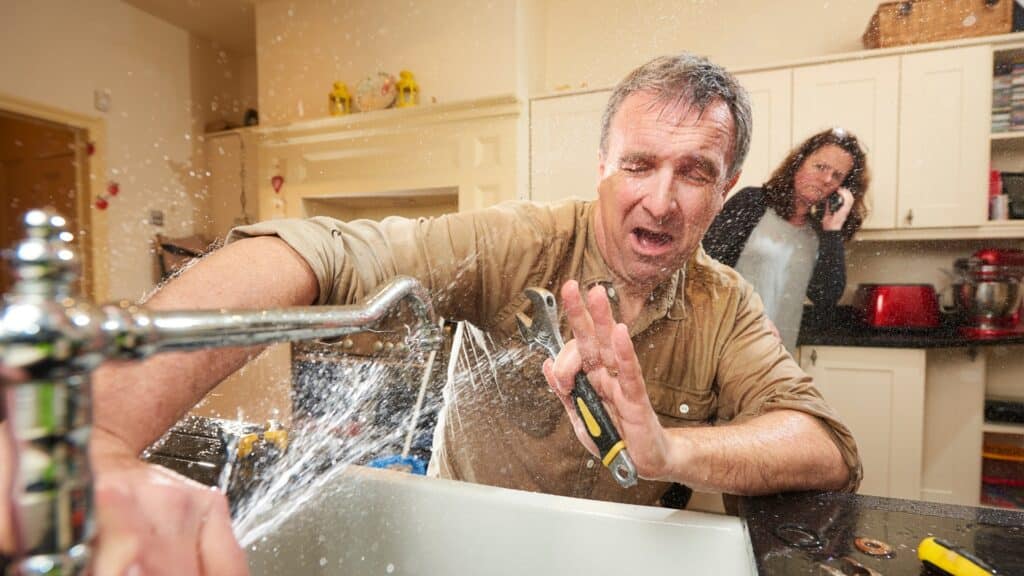
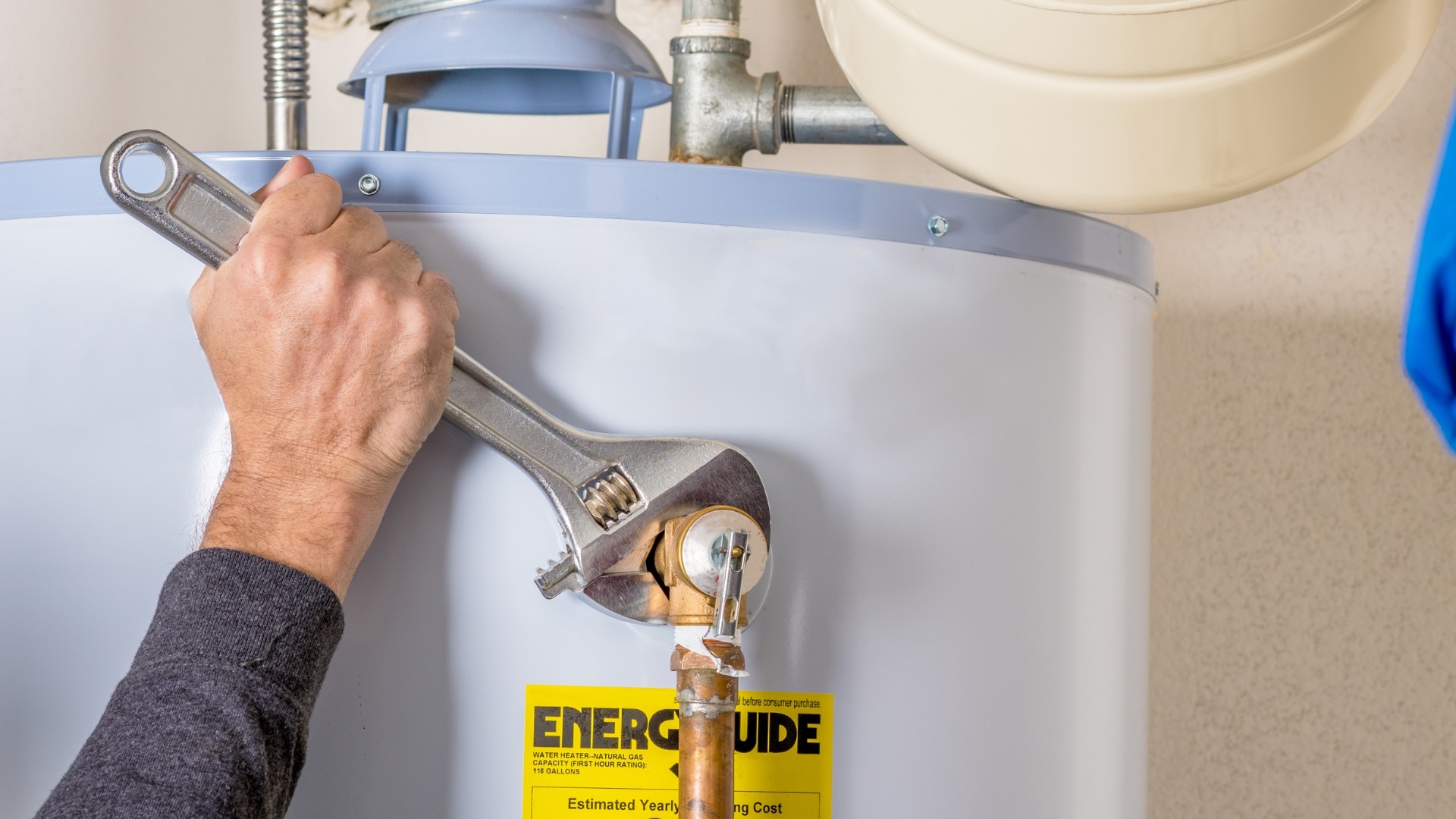
Any visible leak around the tank should be taken seriously.
Leaks may come from loose fittings, worn valves, damaged connections, or corrosion inside the tank itself.
Even small leaks can lead to significant water damage if left untreated. Floors, drywall, and nearby belongings can all be affected.
If the tank itself has rusted through, replacement is usually the only solution.
Ignoring a leaking tank can eventually create one of the most expensive plumbing emergencies a homeowner can face.
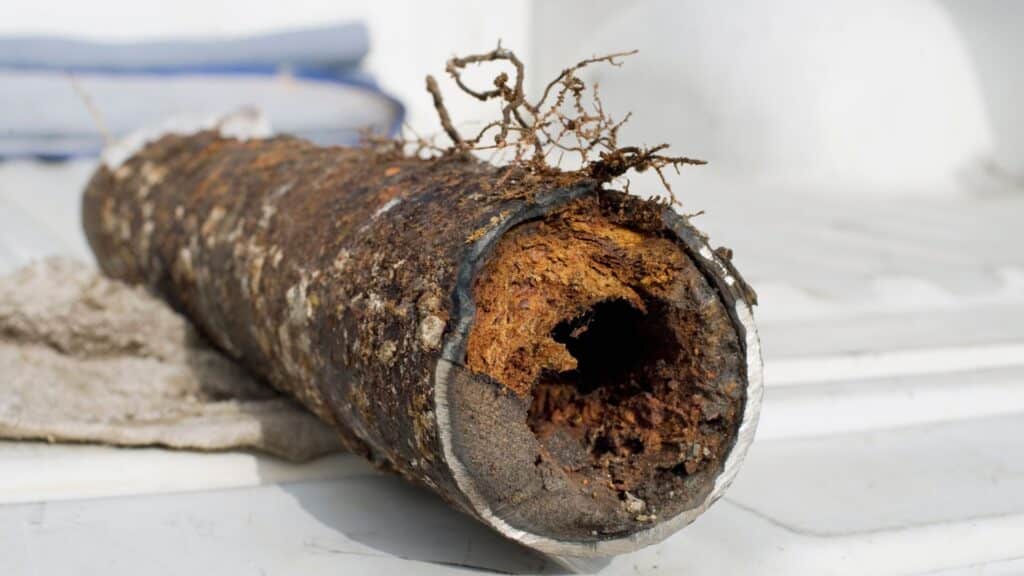
Corrosion Inside the Tank
Water heaters contain an anode rod that helps protect the tank from rust.
Over time, that rod wears out. Once it has been completely used up, corrosion can begin attacking the inside of the tank.
Rust-coloured water, metallic-smelling hot water, or visible corrosion around the tank are warning signs that shouldn’t be ignored.
Replacing the anode rod during regular maintenance can significantly extend the life of your water heater.
Problems With Water Lines
Sometimes the problem isn’t the water heater at all.
Damaged or partially blocked water lines can reduce the amount of hot water reaching your fixtures. Mineral buildup, corrosion, or hidden leaks inside the plumbing system may all affect water flow.
If hot water pressure has gradually decreased, a plumbing inspection may reveal the real cause.
Tankless Water Heater Issues
Many homeowners are switching to tankless water heaters because they’re energy efficient and provide hot water on demand.
However, tankless systems can still experience problems.
Mineral buildup inside the heat exchanger, dirty filters, ignition issues, or restricted water flow can all reduce performance.
Fortunately, most of these problems can be prevented through scheduled maintenance and regular cleaning.
How Much Is a New Hot Water Tank?
One of the most common questions homeowners ask is, “how much is a new hot water tank?”
The answer depends on several factors, including:
- Tank size
- Type of water heater
- Installation requirements
- Gas or electric model
- Venting requirements
While replacing a unit is a significant investment, older systems that require frequent repairs often cost more over time than installing a new one.
Modern systems are generally more efficient, more reliable, and more cost effective over the long term.
A professional technician can explain your options and recommend the right system for your home.
When to Call Emergency Plumbers
Some hot water problems can wait a day or two. Others require immediate attention.
You should contact emergency plumbers if:
- The tank is leaking heavily
- You smell gas around the unit
- Water is flooding the mechanical room
- The tank has completely stopped working during cold weather
- A leaking tank threatens nearby electrical equipment
Fast action helps reduce water damage and prevents more serious problems from developing.
Many companies offering emergency plumbing service can quickly diagnose the issue and restore hot water safely.
Preventing Future Water Heater Problems
The best way to avoid unexpected breakdowns is with preventative care.
Scheduling regular maintenance helps identify worn parts before they fail. Flushing the tank removes sediment, inspecting valves catches small leaks, and checking the anode rod protects the tank from corrosion.
Many homeowners also combine water heater inspections with other plumbing services such as drain cleaning, sump pump inspections, and general plumbing system checkups.
Preventative care helps reduce emergency repairs and extends the life of your hot water tank in calgary.
Restore Reliable Hot Water with Professional Plumbing Repair
Hot water is something most homeowners don’t think about until it’s gone. Whether you’re dealing with sediment buildup, worn heating elements, leaking tanks, or aging equipment, addressing problems early can save both time and money.
If you have ongoing hot water issues, you may need plumbing repair Calgary homeowners trust. If you are considering hot water tank installation, experienced professionals can help. They can restore reliable hot water. From repairs to complete water heaters installed, professional plumbers can recommend the right solution for your home and help you avoid future plumbing emergencies.
Frequently Asked Questions
Why does my water heater suddenly stop producing hot water?
Common causes include failed heating elements, burner problems, thermostat issues, sediment buildup, or electrical and gas supply problems.
How often should a hot water tank be serviced?
Most manufacturers recommend professional maintenance once a year to flush sediment, inspect components, and keep the system operating efficiently.
How long do hot water tanks usually last?
Most traditional tank water heaters last between 8 and 12 years with proper maintenance, while some tankless water heaters can last much longer.