Low water pressure can be frustrating. One day your shower feels strong, and the next it feels like barely enough water is coming out. Maybe your kitchen faucet takes longer to fill a pot, or your washing machine seems slower than usual. When this happens, many homeowners assume it is a small issue with a fixture.
But in many Calgary homes, low water pressure is often connected to something deeper: aging pipes.
Old water pipes can slowly narrow, corrode, leak, or weaken over time. This reduces water flow and makes your plumbing system work harder than it should. If ignored, the issue can lead to larger plumbing problems, higher water bills, water damage, or even a burst pipe.
This guide explains how aging pipes affect pressure, what signs to watch for, and when to call for plumbing repair Calgary homeowners can trust.
Why Aging Pipes Cause Low Water Pressure
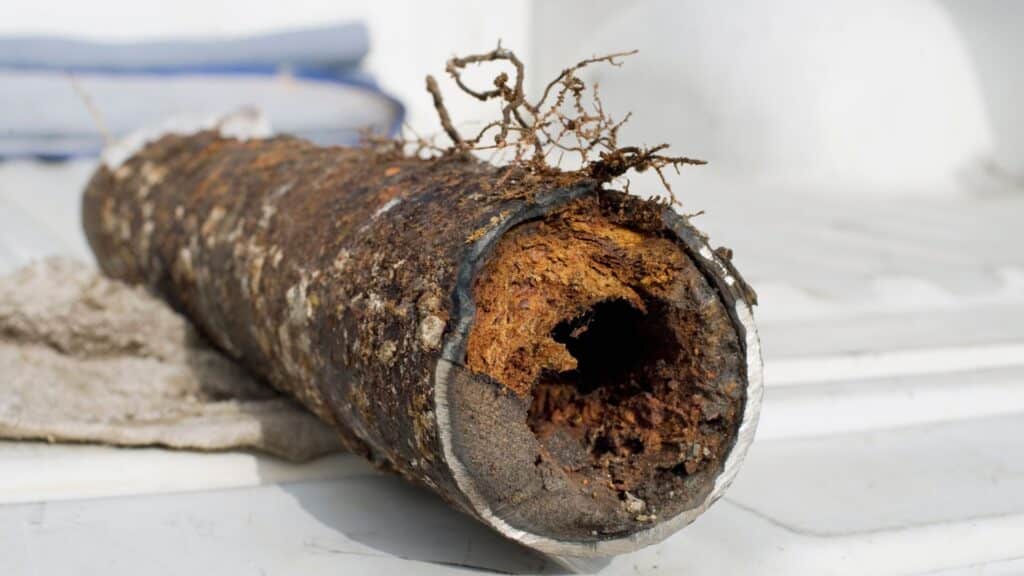
Your home’s water system depends on clean, open pipes that allow water to move freely. When pipes are new, water flow is usually strong and steady. But as pipes age, minerals, rust, and debris can build up inside them.
Over time, that buildup makes the pipe opening smaller. Less space means less water can pass through. That is when you may start to notice low water pressure at sinks, showers, and appliances.
This is especially common in older Calgary homes with galvanized steel, older copper, or outdated piping materials. Even if the pipes look fine from the outside, the inside may be restricted.
If your pressure has dropped slowly over months or years, old water pipes may be the reason.
How to Tell If the Problem Is One Fixture or the Whole Home
Before assuming the worst, it helps to check whether the issue is happening in one spot or throughout the house.
If only one faucet has weak pressure, the problem may be simple. It could be a clogged aerator, a partly closed shut off valve, or buildup inside that fixture.
But if several fixtures have weak pressure, especially on different floors or in different rooms, the issue may be inside the main plumbing system.
For example, if your shower, kitchen sink, laundry, and outdoor hose all feel weaker than before, that points to a wider plumbing issue. It may involve the water supply, pressure regulator, or aging pipes.
The Role of Mineral Buildup Inside Old Pipes
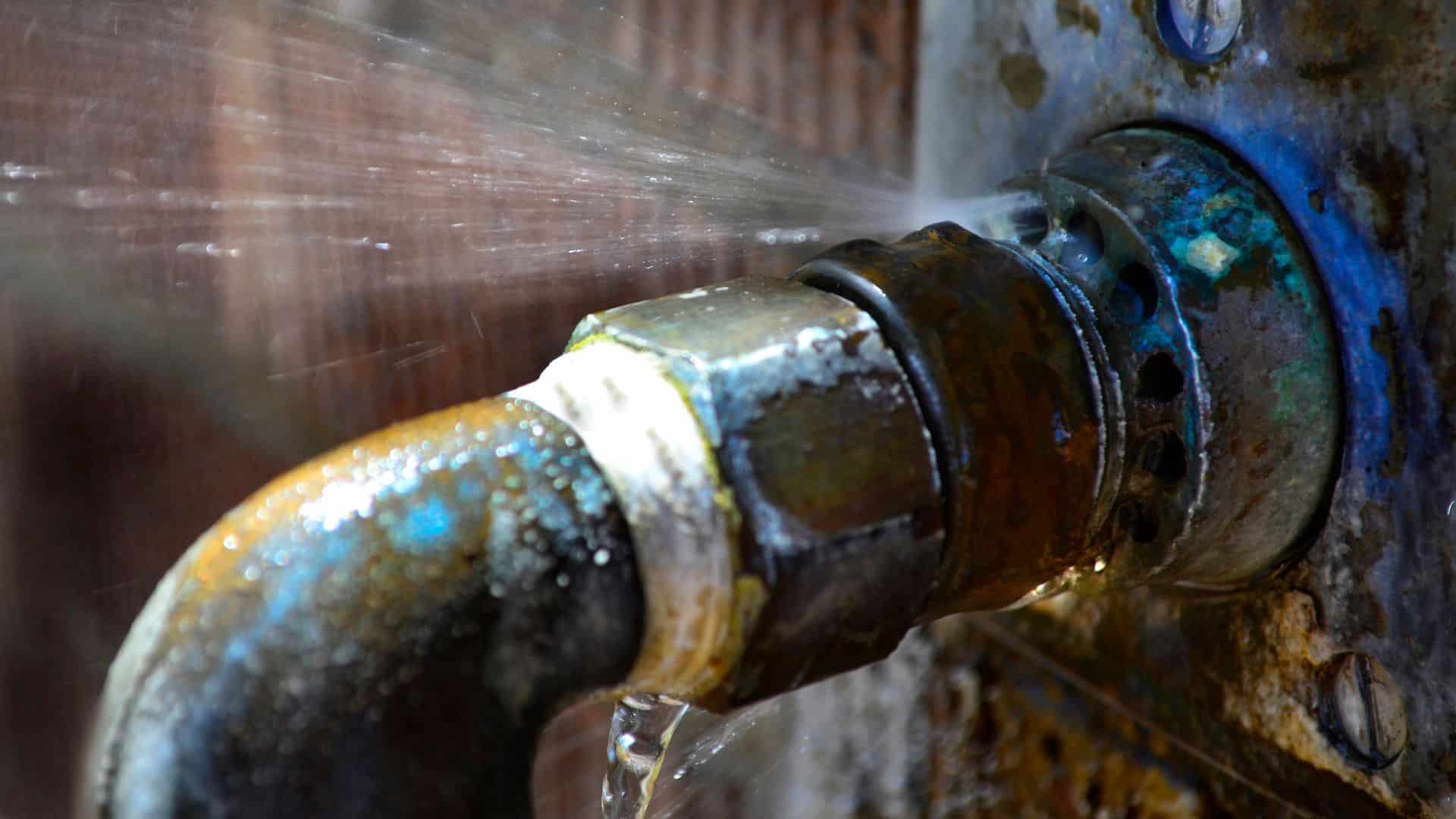
Calgary’s water can leave mineral deposits behind over time. These deposits may collect inside pipes, valves, and fixtures. In older homes, this buildup can become thick enough to restrict water flow.
At first, you may only notice a slight drop in pressure. Later, the flow may become weak enough to affect daily tasks.
A plumber can inspect your system and determine whether cleaning, flushing, or pipe replacement is the right solution. In some cases, sections of pipe can be repaired. In others, full plumbing repairs may be needed to restore proper flow.
Could High Water Pressure Have Damaged Your Pipes?
It may seem strange, but high water pressure can also lead to low water pressure later.
When pressure in your home is too high, it puts stress on pipes, joints, valves, and fixtures. Over time, that stress can weaken the system and cause leaks. A hidden leak can reduce water pressure because water is escaping before it reaches your taps.
Most homes should not have pressure above 80 PSI. If the pressure is higher than 80 PSI, it can damage your plumbing system and increase the chance of leaks or pipe failure.
A water pressure regulator helps control the pressure entering your home. If it fails, pressure can become too high or too low. A plumber can test your system with a gauge and adjust or replace the regulator if needed.
Signs Your Low Water Pressure May Be a Bigger Plumbing Problem
Low pressure is not always an emergency, but it should not be ignored. There are warning signs that may point to a larger plumbing problem.
If your water bills rise without explanation, you may have a hidden leak. If you hear water running when no fixtures are on, that is another red flag. Damp walls, soft flooring, musty smells, or stains on ceilings can also suggest hidden water damage.
You should also watch for pressure changes after using certain fixtures. If pressure drops when the hot water is running, the issue may involve your water heater or hot water tank. Sediment buildup inside a tank can reduce hot water flow and make the system less efficient.
If pressure suddenly drops throughout the home, it could be caused by a leak, failed valve, broken pressure regulator, or issue with the municipal water supply.
Check the Simple Things First
Before calling for service, there are a few simple things homeowners can check.
Start by making sure your main shut off valves are fully open. Sometimes valves are partly closed after a repair or inspection. Even a small change can reduce water pressure.
Next, check faucet aerators and shower heads. These can collect sediment and mineral buildup. Cleaning them may restore pressure at that fixture.
You can also check your water meter. Turn off all taps and water-using appliances in the home. If the water meter keeps moving, water may be leaking somewhere in the system.
These steps can help you narrow down the problem before booking plumbing service.
When Aging Pipes Need Repair or Replacement
If the issue is caused by old water pipes, the best solution depends on the condition of the system.
A small damaged section may only need a local repair. But if several areas are corroded, restricted, or leaking, replacement may be the better long-term option.
Replacing old pipes can improve water flow, reduce the risk of water damage, and bring your home closer to current plumbing codes. It can also protect your home from future leaks, pipe bursts, and expensive emergency repairs.
A professional plumber can inspect the pipe material, test pressure, check valves, and recommend the best approach.
Why Professional Plumbing Repair Matters
Low water pressure can have many causes, which is why guessing can lead to wasted time and money. A trained plumber can test the pressure in your house, inspect visible piping, check the water pressure regulator, and look for hidden leaks.
Professional plumbing repair Calgary homeowners rely on should solve the root cause, not just the symptom. That may mean cleaning lines, replacing valves, repairing leaks, upgrading old pipes, or servicing the hot water tank.
The right repair helps restore normal water flow and protects your home from bigger plumbing issues later.
How to Prevent Future Water Pressure Problems
Good maintenance is the best way to avoid pressure issues. Homeowners should keep an eye on changes in water flow, monitor water bills, and book inspections when something feels off.
It is also smart to have older homes checked by a plumbing professional, especially if the piping has never been updated. A quick inspection can help catch small problems before they become major repairs.
If your home has high water pressure, a working regulator is important. If your home has old piping, replacing weak sections before they fail can prevent costly damage.
Restore Strong Water Pressure in Your Calgary Home
Low water pressure is more than an inconvenience. It can be an early warning sign that your plumbing system needs attention. Aging pipes, mineral buildup, hidden leaks, high water pressure, and failing valves can all reduce water flow and create larger problems over time.
If you are dealing with low water pressure in your Calgary home, do not wait until it turns into water damage or a burst pipe. A professional plumbing service can find the cause, explain your options, and provide the right repair for your home.
With the right support, you can restore steady pressure, protect your plumbing system, and keep your water flowing the way it should.