Low water pressure is one of the most frustrating plumbing problems homeowners deal with. When the shower trickles, the kitchen tap slows down, or appliances take forever to fill, it becomes clear that something isn’t right with the plumbing system. Many homeowners ask the same question: why do I have low water pressure?
The truth is, water pressure issues can come from several sources—some minor, some serious. Understanding the cause helps you know whether it’s a quick fix or something that requires help from experienced Calgary plumbers. This guide walks you through why low pressure happens, what homeowners can try on their own, and how professionals restore full pressure safely and effectively.
Recognizing Low Water Pressure in Your House
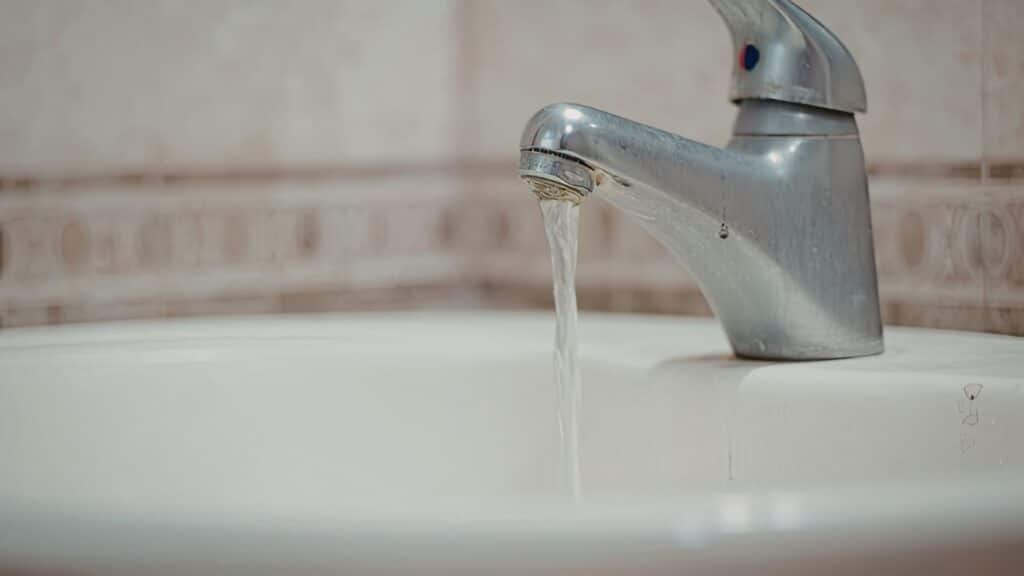
Low water pressure usually becomes obvious during everyday tasks. You might notice weaker flow at faucets, longer wait times when filling the tub, or washing machines running slower than normal. Sometimes the issue affects the entire home, and other times only one fixture.
When pressure in your home changes suddenly, it may signal a bigger plumbing issue. If the pressure slowly gets worse over weeks or months, the cause might be buildup, worn parts, or aging pipes. No matter the situation, the sooner you address it, the easier (and cheaper) it is to fix.
Cause #1: Partially Closed or Faulty Water Valves
One of the simplest reasons for low pressure is the main water valves not being fully open. If someone recently worked on the plumbing system or shut off the water for maintenance, the valve may not have been reopened all the way.
There are usually two important valves to check:
- The main shut-off valve where the water line enters your home
- The meter valve controlled by the municipality
If either valve is slightly closed, your fixtures will feel the difference. Ensuring these valves are open is one of the easiest ways to restore flow before looking for more complicated causes.
Cause #2: Mineral Buildup and Debris in the Plumbing System
Over time, mineral deposits from hard water can build up inside pipes, fixtures, aerators, and even hot water tanks. When this happens, flow becomes restricted, causing a noticeable water pressure problem. Signs include:
- Weak pressure at a single faucet
- Sputtering or uneven flow
- A tap that was once strong but slowly got weaker
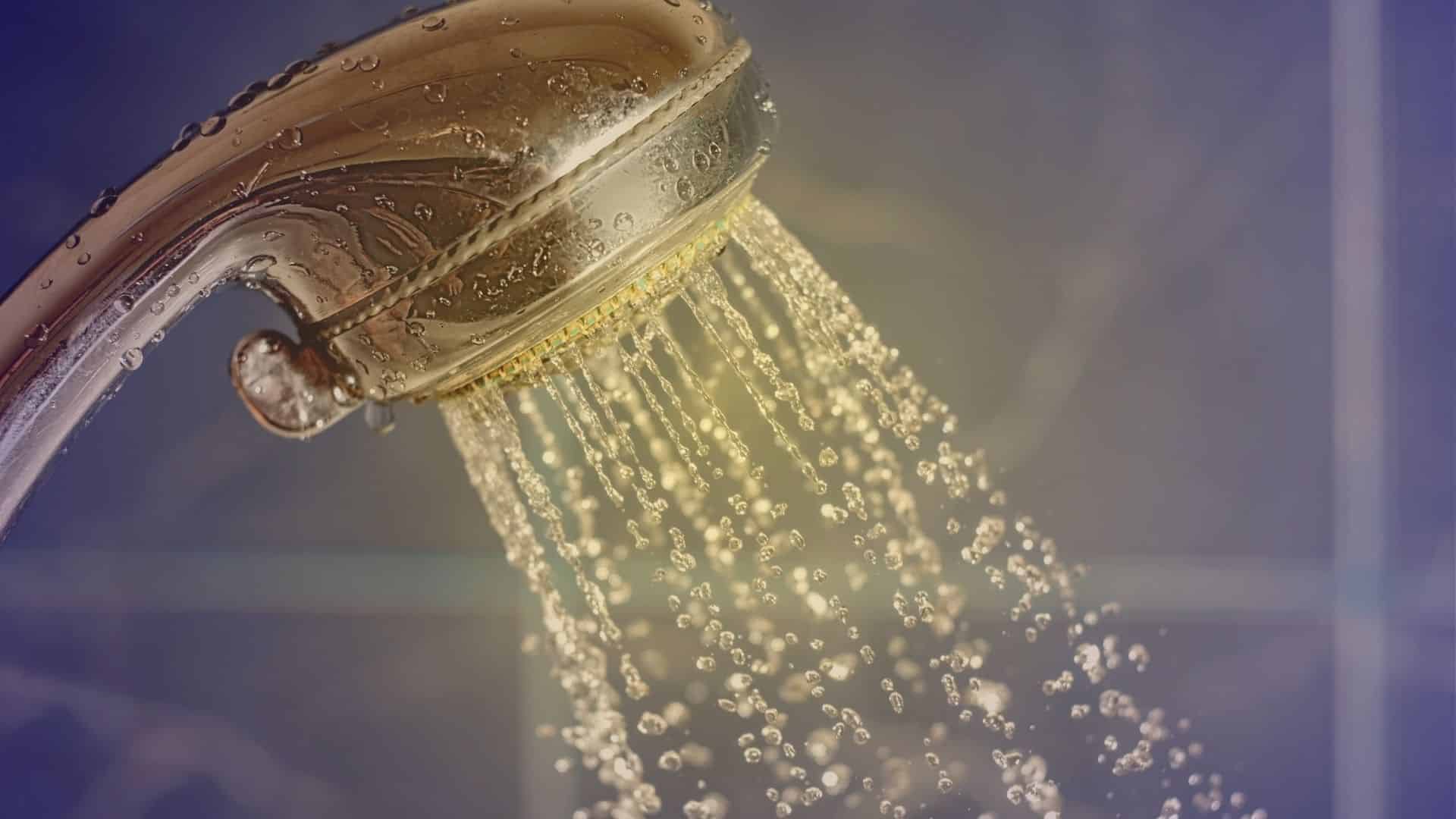
Homeowners can try cleaning faucet aerators or shower heads. But when buildup occurs deeper inside the plumbing system, you may need pipe cleaning, flushing, or replacement from professionals. Ignoring it too long can eventually lead to clogged lines or even a burst pipe.
Cause #3: Aging Pipes or Corrosion
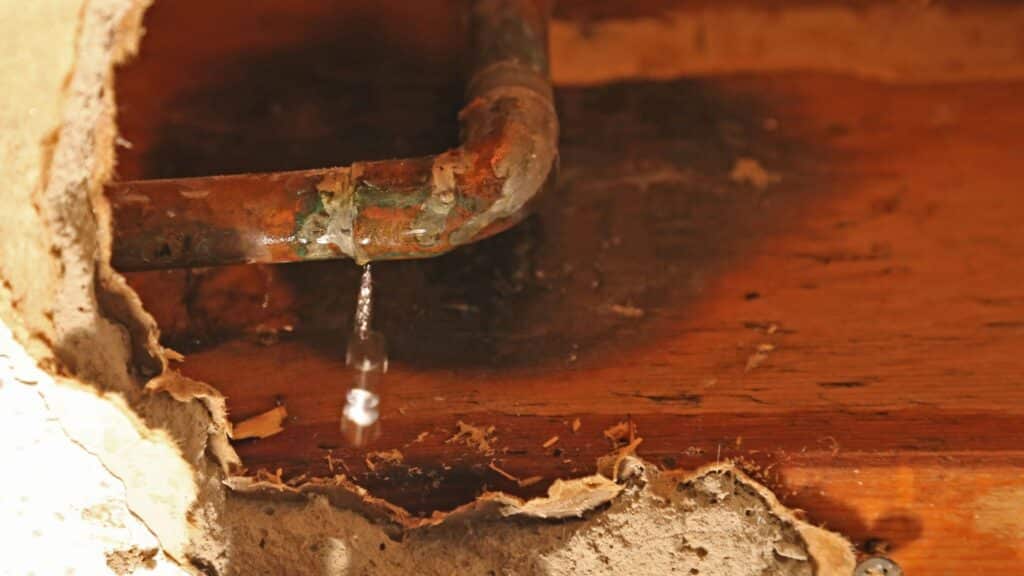
Older homes often have galvanized steel or other metal pipes that corrode over time. As corrosion builds up, the internal pipe diameter narrows, reducing pressure throughout the home.
This type of issue is common in older Calgary neighbourhoods. If you are experiencing low water pressure in every fixture and your home is several decades old, the problem may be aging pipes, not a simple blockage.
Corroded pipes may need repair or full replacement, depending on their condition. While this sounds like a big job, replacing old pipes not only restores strong pressure but also protects the home from future leaks and water damage.
Cause #4: Problems With the Municipal Water Supply
Sometimes the cause of low pressure is outside the home altogether. The municipal water supply may be experiencing repairs, temporary outages, or high demand on your street.
One way to tell is to ask neighbours whether they are noticing lower pressure too. If everyone is affected, the issue is likely temporary and not a sign of a plumbing failure.
Cause #5: Issues With Pressure Regulators
Many homes have a pressure regulator installed near where the main water line enters. This device keeps water pressure in a safe range. If it fails, you could see sudden drops or inconsistent pressure throughout the house.
A faulty regulator can also create abnormally high pressure, which puts stress on fixtures and increases the risk of cracks or leaks. Regulators should only be adjusted or replaced by a professional, since they directly impact the pound per square inch psi flowing into your home.
Cause #6: Hot Water Tanks or Water Heating Equipment
If only the hot water has low pressure, the issue might be linked to your hot water tanks. Mineral buildup inside the tank, a failing valve, or narrowing output lines can all restrict flow.
In these cases, people often think the whole plumbing system has failed, when really the issue is isolated to heating equipment. Regular maintenance prevents a lot of these problems before they begin.
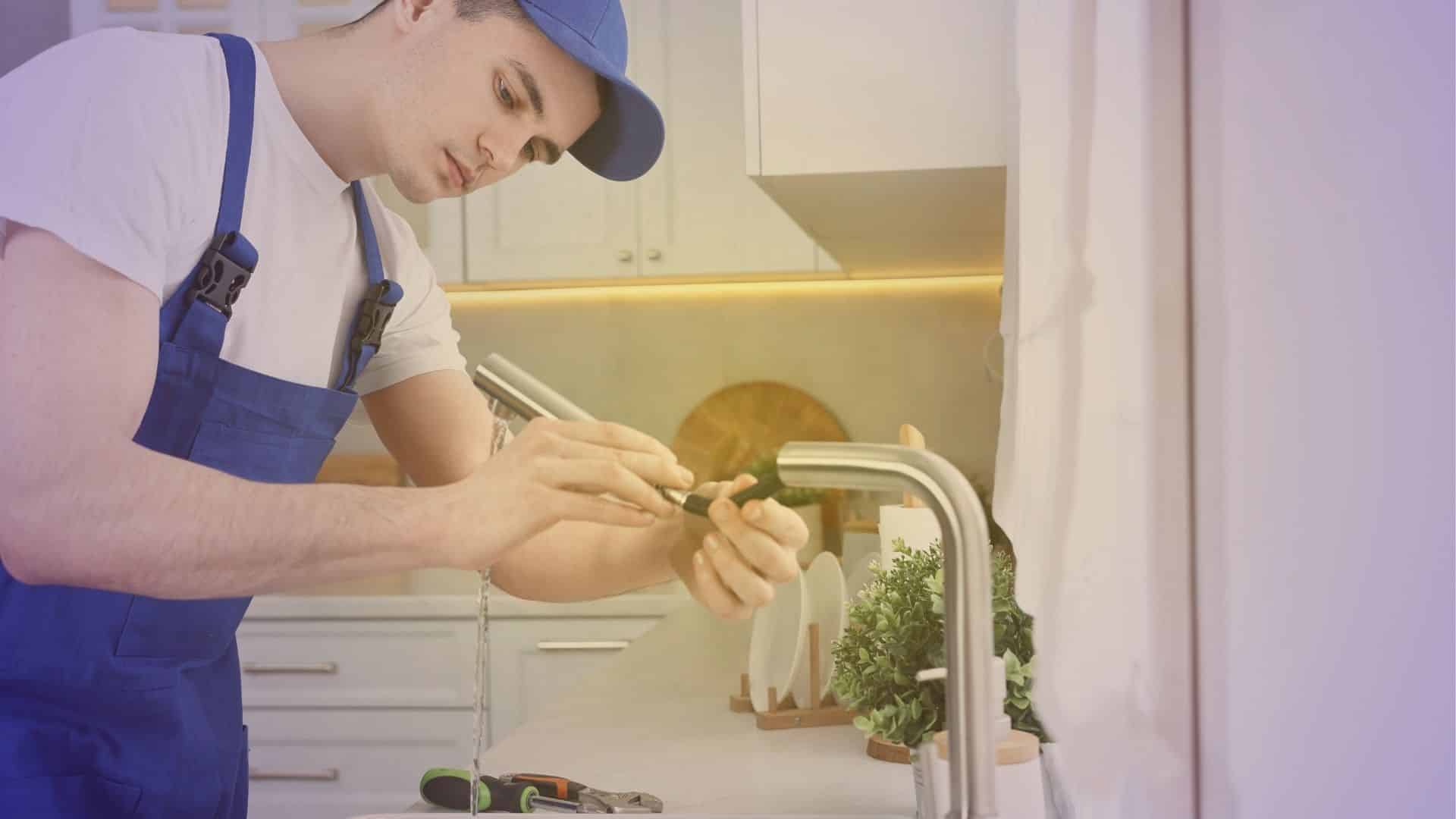
How Homeowners Can Fix Low Water Pressure Themselves
Before calling a professional, there are a few easy steps homeowners can try:
- Make sure all shut-off valves are fully open
- Clean faucet aerators and shower heads
- Check for leaks around sinks, toilets, or the basement
- Inspect appliances to confirm they are getting steady flow
If the problem affects only one fixture, it’s often a localized issue. If it affects your entire home, it’s likely something more significant.
When It’s Time to Call Calgary Plumbers
If you’ve checked the basics and the pressure still hasn’t improved, it’s time to call experienced Calgary plumbers. Low pressure can be a sign of serious problems, including hidden leaks, blockage inside the lines, corroded pipes, or regulator failures.
Calling a plumber is especially important when:
- Pressure drops suddenly in the whole house
- You suspect a leak or see water damage
- You hear strange sounds in the pipes
- You’re unsure how to increase water pressure safely
In urgent cases—like a suspected burst line—contact plumbing emergency repair right away. Fast response prevents major damage and gets your home back to normal quickly.
How Professionals Restore Proper Water Pressure
Professional plumbers have specialized tools and training to diagnose and restore pressure safely. Depending on the cause, they may:
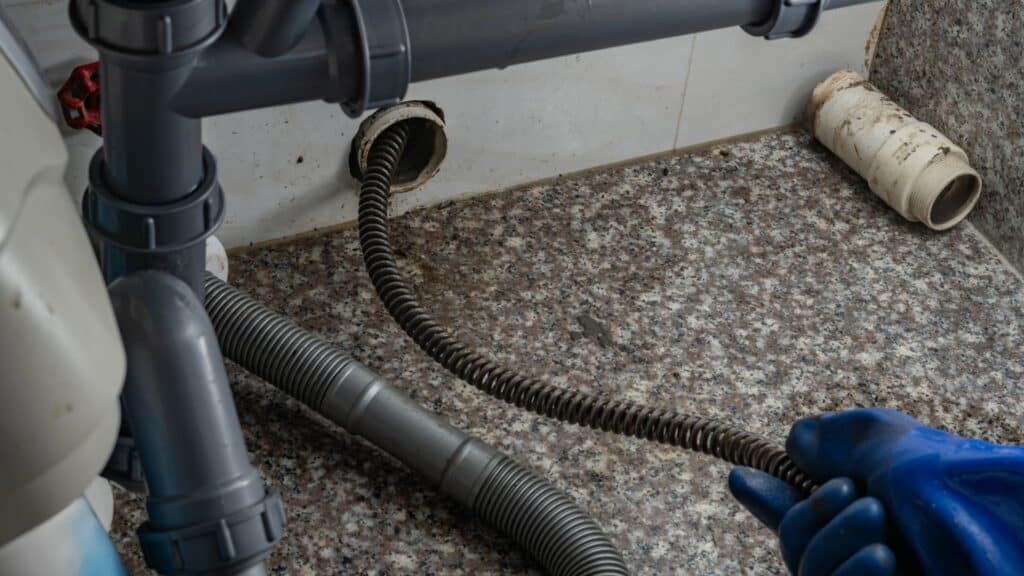
- Flush or clean blocked pipes
- Repair or replace failing valves
- Install or adjust pressure regulators
- Replace aging or corroded pipes
- Fix leaks that are lowering pressure
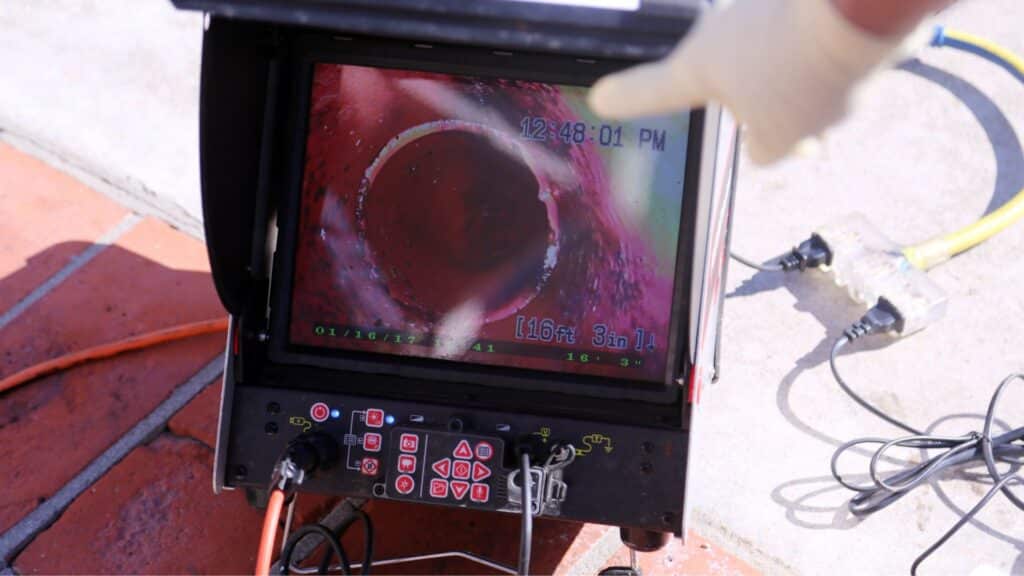
- Inspect the full plumbing system
Restoring pressure isn’t just about improving convenience—it also protects your home. Consistent pressure ensures plumbing fixtures last longer, reduces the risk of leaks, and keeps water flowing the way it should.
Reliable Solutions for Low Water Pressure in Calgary Homes
Low pressure may feel like a minor inconvenience, but it often points to hidden issues that need attention. Whether it’s buildup, faulty valves, aging pipes, or trouble in the municipal system, understanding the cause helps you know how to fix low water pressure effectively.
When the problem goes beyond simple cleaning or valve adjustments, trusted professionals in calgary plumbers, plumbing emergency repair, and full-service plumbing maintenance can restore strong, reliable pressure and protect your home from long-term plumbing problems.