When you turn down your thermostat on a hot summer day, your air conditioner starts working almost immediately. Within a few minutes, cool air begins coming through the vents. But what is actually happening inside the system?
An air conditioner doesn’t simply create cold air. Instead, it removes heat from inside your home and transfers that heat outdoors. Understanding this process can also make it easier to recognize when your cooling system isn’t working properly and when you may need AC repair.
Step 1: Your Thermostat Calls for Cooling
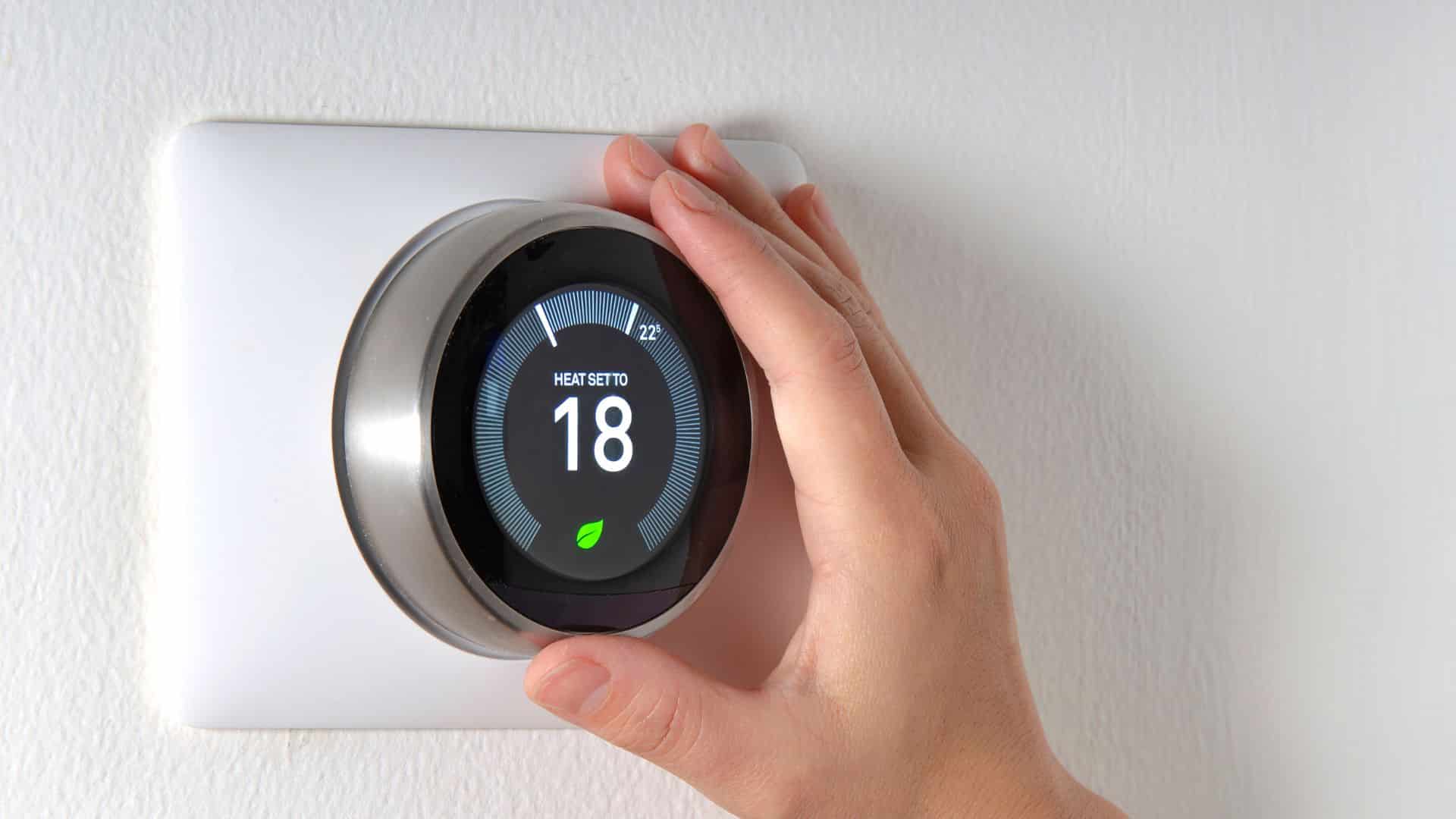
The process starts with your thermostat.
When the temperature inside your home rises above the setting you’ve selected, the thermostat signals the air conditioning system to start.
The indoor and outdoor components then begin working together to remove heat. Once your home reaches the desired temperature, the system shuts down until cooling is needed again.
If your AC unit won’t turn on at all, the problem could involve the thermostat, electrical system, or another component. This is a good time to have a licensed HVAC technician inspect the equipment.
Step 2: Refrigerant Absorbs Heat From Your Home
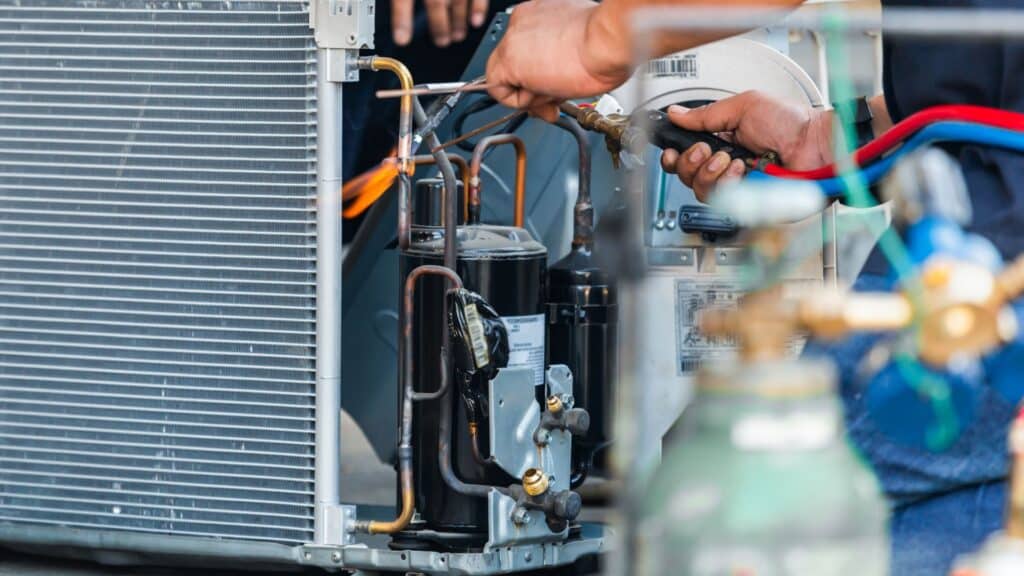
Refrigerant is essential to how an air conditioner works. It travels through the system and changes between liquid and gas as it absorbs and releases heat.
Inside your home, refrigerant passes through the evaporator coil. Warm indoor air moves across this cold coil, allowing the refrigerant to absorb heat.
The air itself becomes cooler and is ready to be circulated back through the house.
If there is a refrigerant leak, your AC may continue running without producing enough cool air. Low refrigerant can reduce energy efficiency and eventually lead to larger air conditioner repair problems.
Step 3: The Blower Motor Moves Cool Air
Once heat has been removed from the indoor air, the blower motor helps move the cooled air through your ductwork and into different rooms.
Good air flow is essential.
A dirty filter, failing blower motor, blocked vent, or duct problem can reduce airflow. Your air conditioning system may still produce cold air, but it won’t be able to distribute it properly.
This can leave certain rooms warmer than others and cause the AC to run longer, increasing energy costs.
Step 4: Your AC Moves Heat Outside
The heat removed from your house needs somewhere to go.
Refrigerant carries it to the outdoor AC unit. The compressor and condenser help release that heat outside before the refrigerant continues through the cooling cycle again.
This process repeats until your thermostat reaches its set temperature.
A heat pump uses a similar process and can reverse the direction of heat transfer to provide both heating and cooling.
Why AC Maintenance Matters
All these components need to work together for your system to run efficiently.
Dirty coils, restricted airflow, electrical problems, and worn components can make the system work harder than necessary. Over time, this can increase energy costs and lead to unexpected air conditioning repair.
Regular HVAC services can identify small issues before they become larger problems. Maintenance is especially important for older equipment or systems that run frequently during Calgary’s warmer weather.
A high efficiency system can also lose some of its benefits if filters, coils, and other components aren’t properly maintained.

How Do You Know When Your AC Needs Repair?
Your air conditioner will often provide warning signs when something isn’t right.
You may notice that the system runs constantly, certain rooms remain warm, or the air coming from the vents isn’t very cold. You might also hear unusual sounds or notice that the outdoor unit isn’t running.
If the unit isn’t cooling properly or won’t turn on, avoid repeatedly restarting it. A professional Calgary air conditioning mechanic can diagnose the problem and determine whether a simple AC repair or a larger repair is needed.
For a sudden breakdown during hot weather, an emergency AC fix can restore cooling while reducing the risk of further equipment damage.
Keep Your Cooling System Working Properly
Your air conditioner cools your home by removing indoor heat, moving that heat outdoors, and circulating cooled air back through your rooms. The refrigerant, evaporator coil, compressor, outdoor unit, and blower motor all play a part.
Understanding that process makes it easier to recognize when something isn’t working as it should. Professional HVAC services and regular maintenance can help keep your system reliable, improve energy efficiency, and reduce unexpected repairs.
If you’re searching for a/c reapair near Calgary because your system isn’t cooling properly, a licensed HVAC technician can inspect the equipment and recommend the right solution. Whether you need routine air conditioning repair or an emergency AC fix, dealing with the problem early can help keep your home comfortable throughout the summer.